
It’s time for event organizers to shift away from the mindset of sheer attendance numbers.
Just because you’re measuring something (like foot traffic), doesn’t mean it really matters.
Warwick Davies isn’t afraid to challenge many long-held assumptions in the events industry, and we dive deep into several of those in this episode, including:
- Why trade shows need to shift from selling space to selling access
- What exhibitors should be asking about events they’re considering
- How to find your most profitable audience
- What the biggest growth problem is (hint: it’s not marketing!)
Related links from this episode:
- The Event Mechanic! (Warwick’s website)
- “10 Event Strategy Mistakes to Avoid” article
- “Your Event Isn’t Special” article
- “Most Event Marketing Teams Don’t Have a Marketing Problem …” (LinkedIn post)
- Follow Warwick on LinkedIn for more insights
- The Annabelle Project (helps high-performing students prepare for careers in the events industry)
Note: A portion of the sales of my book, Build a Better Trade Show Image during the months of September & October will be donated to The Annabelle Project.
About Warwick Davies
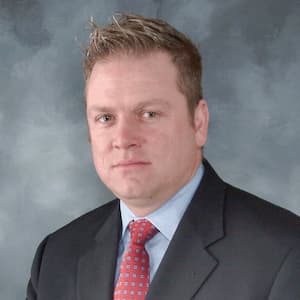
Warwick Davies is the founder of The Event Mechanic!, where he advises event-company CEOs on launching, growing and fixing trade shows and conferences. Over his career, he has built and led event businesses, including helping grow DCI from $4 million to $15 million in revenue and generating more than $6 million in annual profit at IDG World Expo.
He’s also the founder and president of The Annabelle Project, a nonprofit developing high-potential, early-career talent through industry mentorship, real-world exposure, and business-focused corporate pilot projects.
Warwick also publishes The Event Mechanic!: How Event Actually Make Money, where he writes about the economics, business models, and strategic decisions shaping the events industry.
Marlys Arnold [00:00:00]: You're listening to the Trade Show Insights Podcast, Season 21, Episode 9. I'm your host and exhibit marketing strategist Marlys Arnold, bringing you tools to improve your exhibit results. On today's episode, brought to you by the Exhibit Marketers Cafe, we're talking about some of the biggest mistakes event organizers are making and how to build your event around your ideal audience. My guest today is Warwick Davies, and he's the founder of The Event Mechanic, where he advises event company CEOs on launching, growing, and fixing trade shows and conferences. Over his career, he's built and led event businesses, including helping to grow DCI from $4 million to $15 million in revenue. And generating more than $6 million in annual profit at IDG World Expo. He's also the founder and president of the Annabelle Project, which we'll hear a lot more about today. It's a nonprofit that develops high-potential early career talent through industry mentorship, real-world exposure, and business-focused corporate pilot projects.
Marlys Arnold [00:01:47]: He also publishes The Event Mechanic: How Events Make Actually Make Money, where he writes about the economics, business models, and strategic decisions shaping the events industry. Welcome to Trade Show Insights, Warwick. I'm so excited to have you here.
Warwick Davies [00:02:02]: Thanks, Marlys. That's, that's quite something to, you know, set the high bar for me to set right off. Thanks for that.
Marlys Arnold [00:02:10]: Well, you're welcome. Well, thank you for all that you're doing in the industry. I'm really excited. Like I said, we'll talk about the Annabelle Project here in a little bit, But I want to start off, you published an article about the 10 event strategy mistakes. And boy, I read through that and I was like, which by the way, we'll put a link for that in the show notes so everybody can read that. But I read through that and I'm like, wow, this is like something I could have written. I mean, it was just like, I'm like, yep, yep, yep. So let's talk a little bit about some of the things in there.
Marlys Arnold [00:02:42]: You talked first of all, about chasing size over substance. And I think this is something that is so true in so many shows. Talk a little bit about that mistake and what, what show organizers can do about it.
Warwick Davies [00:02:57]: Well, I think it's, you know, I think the events industry has become very good at executing events. But execution's no longer the scarce capability; it's table stakes. The scarce capability is judgment, knowing what the business outcome the event's supposed to produce and for whom and why. And I think the In terms of, I think we need to build better events, not bigger events. Now, of course, historically, the bigger the event, the higher the margin and the higher money you make. But I, my opinion is it doesn't necessarily mean that your event, your large event, is gonna be there for a long time if you don't focus on getting the right people to the event.
Marlys Arnold [00:03:40]: Well, and also, I mean, when it's so huge, it's like so many exhibitors get lost, and attendees too, just kind of get lost in the overwhelm. And it's not, they're not making as many really valuable connections just because they are so overwhelmed and there's so much to see. And, and how do you find, you know, as an attendee, how do you find that one exhibitor that would really solve the problem that you're looking for?
Warwick Davies [00:04:07]: Yeah, it's, it's, it's an issue. So there's nothing wrong with large events. But I think, you know, if I was to say what are the 3 kinds of audiences, I would say number one is a decision-grade decision-maker, which everyone wants, every exhibitor wants to visit them, of course, that's gonna buy stuff. And I would say beyond that is what I'd call a super consumer, which is someone that really lives whatever the event's about, that they literally invite other people and get, other people excited about attending an event. And then I would say that then there's the rest of the audience, perhaps. It doesn't make them lesser than the others, but from an exhibitor perspective, they're looking for certainly the first kind of attendee. And, you know, it's, I would say it's an organizer's responsibility to make sure the exhibitors get access to those people one way or another. Frequently it's a pay-to-play situation.
Warwick Davies [00:05:03]: But I think from the organizer perspective, you really gotta be aware that for the investments that the exhibitors and sponsors are making, they've got to have, they want evidence that you are knowledgeable about that and you're crafting your event to make sure that happens.
Marlys Arnold [00:05:19]: Definitely, definitely. Which leads us into one of the other mistakes was ignoring the exhibitor ROI. And I think, and it kind of goes along with yet even another one of treating sponsors like ATM machines. I say that all the time. You know, show organizers so often, they're just looking at, oh, we got to sell the space, we got to sell the sponsorships, and they're not really looking at who are we bringing in. And I think that that's, like you said, that is the number one objective of an exhibitor is who's going to be at the show that's really going to be, you know, my target audience, my potential new client. And that's where, you know, like I said, it's not, you know, you were saying that big shows, you know, giant shows aren't necessarily bad, but it's like they've got to work that much harder to really focus on how can they really help guide those connections between the exhibitors and the attendees, right?
Warwick Davies [00:06:19]: Yeah, absolutely. There's nothing wrong with trying to make money in an event company as an organizer. I think that's, that's why you're in business. The issue is that, and I don't think that you're always going to be able to satisfy every exhibitor, but I think from an organizational perspective, The event organizer needs to have an awareness of what the exhibitors and sponsors are looking for. And if I'd probably be the worst, me personally would probably be the worst exhibitor ever to an event organizer because I'd pound them on this stuff. What is your plan to get these people to this show? And I tell them specifically who I wanted to contact. And, you know, I'm sure there are, I know there are event organizers that also think that way, but there are many that don't. There are many that, like, if you were to give them that question, you know, they wouldn't be able to answer it straightaway.
Warwick Davies [00:07:16]: And, and that's a warning sign. If you're, if you, if you're, if you're, if your team isn't really, you know, not— you may be knowledgeable that you have to do that, but what is the plan? What is the plan to do it?
Marlys Arnold [00:07:29]: Well, and like you said, it's, I know you've used the line shifting from selling space to selling access.
Warwick Davies [00:07:37]: Mm-hmm.
Marlys Arnold [00:07:37]: And I think that is the shift in mindset of, you know, not just selling booth space to as many exhibitors as possible, but really figuring out how, how are you, as, as the show organizer, how are you creating, how are you curating that ideal audience that, that the exhibitor is wanting to access? And I think you said you'd be the world's worst exhibitor by asking those kind of questions, but really every exhibitor should be asking those kinds of questions. It's like, who's coming to this show? Who's really, you know, who is my target audience? And one of the things, you know, I study prospectuses from shows across the board, all different kinds of industries, and so many times they just give like these big numbers of like, oh, we had, you know, X number of attendees and they come from all 50 states and 27 countries and all this, but they're not really telling me who are these people. You know, and I think that's what the exhibitors really want to know.
Warwick Davies [00:08:38]: Yeah, I think it's tough on a prospectus, having being a salesperson, you can't be everything to everyone. If you've got, you know, 3,000 exhibitors, you can't, you're not going to have a 3,000-page prospectus that, you know, answers every question for every exhibitor. But, but I think it is a good, it's a good lead-in when you're looking at that, and then you naturally have questions as an exhibitor about what you're specifically looking for. I don't think the prospectus is the problem. It's what happens after that. So prospectus, the goal, in my opinion, of a prospectus is to outline kind of what the offering is and what the opportunity is. Now, of course, that's not going to suit— that's not going to be enough information for all the exhibitors that might be looking at it. But it needs to be enough so that you contact the salesperson, right, to get the more information.
Warwick Davies [00:09:27]: I think the issue is potentially that the salesperson doesn't know how to handle the question that will come from that, which is—
Marlys Arnold [00:09:34]: Yeah.
Warwick Davies [00:09:34]: I need these kinds of people. How many, you know, how many of these are going to be there? And from a sales perspective, the sales rep may not know that, but the, how do you handle, how do you field that question? And as a salesperson, I know exactly what the question is. I know that we can't, potentially we can't do it or we won't do it. And then, you know, as a salesperson in that situation where I've actually been in that situation, I said, we, we're not going to get those people. Yeah, you know, so there's a— instead of trying to be nebulous and say, well, you know, we're going to do this and that and hopefully convince the exhibitor, I would rather be truthful and say, well, this is our plan to do it. This is what I suspect we'll do. And, you know, You know, we get— and part of the issue, and of course, from an organizer perspective, if we can bring all those people, the decision-grade buyers, and you don't set yourself up or prepare yourself as an exhibitor properly, it's not always entirely the organizer's fault either. So—
Marlys Arnold [00:10:37]: No, definitely not.
Warwick Davies [00:10:38]: The other thing I would want to say to the exhibitor in that conversation is, you know, be honest. This is what we're likely to do. Here's some things that you can— so let's say that the issue is we're going to get those people and you're one of 4,000 exhibitors. I said, okay, well, you know, what are you doing? I'd like to have a two-way conversation. What is your plan to engage these people when they're there? And what else can we work together on to do that? And some of it will cost money and you'll pay us more money for us to do these extra things. But the end of the day is, you know, we want to make— we want your presence you know, your presence at our show be something that's valuable. We understand your ROI. We're gonna be truthful if we don't think we can deliver it.
Warwick Davies [00:11:23]: And then assuming that either we know we can or we gotta do some things extra, then we work together. But sometimes talking to exhibitors, you don't get much back from them. It's like, I wanna buy a $10,000 booth and I want this and I want that and just send me the contract. And then they do that and then, you know, that's where it ends. So, you know, I think there's some, Responsibility on the exhibitor part. And, you know, if you actually applied for a job with a medtech company running their events business once, and I said, how many events do you have? And they said 270 a year. And I'm saying, well, I said, well, you know, the old me would want to talk to every event organizer and say, I want this, that, and the other thing, but you can't.
Marlys Arnold [00:12:07]: No.
Warwick Davies [00:12:07]: You might talk to 10 of them. And then the rest, you just send me the contract, you know. So there's that going on as well, of course, with bigger companies.
Marlys Arnold [00:12:16]: Yeah, well, oh, so much to unpack in what you just said there. But I think a lot of it, and, you know, everybody who knows me knows that I'm all about that partnership between the exhibitor and the show organizer and working together so that everybody's more successful. And I think that's something that really needs to be cultivated in a lot of organizations On both sides. You know, like you said, a lot of times the show organizer is just like, you know, they're just, the salesperson's just selling the space, selling the space, selling the space, and not doing that consultative selling of finding out what are the exhibitor's goals and why are they coming and who are they wanting to meet and helping them figure out, you know, is that the right audience? I love how you said it's, it's so important to just be honest with the exhibitor and say, hey, that's not really who's coming to this event. You know, this is probably not the event. for you to be at. You're not going to find that audience. I think that probably a lot of sales reps are afraid to say that.
Warwick Davies [00:13:18]: Well, yeah, what happens is that you get, you get a reputation for being honest. So, for instance, if the company now gets into the realm that you sell the show for, they're like, well, you know, I'm going to call him because he told me the truth on this other thing. So I have a level of trust. In them. I, you know, I think, like, of all things, you want to have trust between yourself and your customers, you know, and, you know, but at the same time, don't just do whatever they want. You need to say what's real and what's possible and what isn't, right?
Marlys Arnold [00:13:50]: Right. And like you said, the exhibitor needs to be the one to step up and say, here's what we're looking for. And, you know, don't be shy about saying, this is our target audience. Is this who's there? And, you know, I think sometimes the, the exhibitors are too quick to just, oh, this is like the big show in our industry. We have to be there and let's sign the form. And then it's like, they don't realize that, well, yeah, maybe this is like an important show, but maybe the audience doesn't quite align, or maybe it's a very small sliver of that audience that aligns with what you're looking for. So it still might be worthwhile to be there, but don't go in expecting, you know, 500 leads when there's really only gonna be like, 50 that are gonna align, you know, that kind of thing. So I think really setting those expectations up front is so important.
Marlys Arnold [00:14:41]: But I wanna shift gears now and talk about another one of your articles you wrote. And I thought this was like, you know, you're just laying it out there. Your event isn't special.
Warwick Davies [00:14:52]: Yeah.
Marlys Arnold [00:14:52]: You know, and you just said, you know, the world, the events world is drowning in copycats and all of these events look alike and they're selling themselves in the same way. And, you know, how can events really stand out? You know, what can they do differently?
Warwick Davies [00:15:13]: Well, I think they need to get a better idea of who their audience is. It's not just a target, you know, target potential universe of potential targets. It really is drilling down, really understanding your customers. Now, if you were a If you come from an event company that's in that business already, you have kind of a head start on that versus a company that's just serving a specific market in a certain area. But the question you want when you're planning an event, and I've— this is, I believe, in the article, I said, why should this particular person interrupt everything else competing for their time and money to attend? Right? What's that mean? So it's not other events. It's like, I'd like to spend the weekend with my nephew.
Marlys Arnold [00:15:56]: Yeah.
Warwick Davies [00:15:57]: I'd like to go on vacation. I'd like to be able to, you know, work 12 hours to get the backlog of work and not go to an event where I have no idea whether it will be valuable or not. I don't know if I'll be, you know, if you're a decision maker, I don't know if I go to the event and they're going to give my name to everyone in the world and I'm going to get pestered for the next 6 months, you know, and I won't get anything else out of it. So I think on the organizer's part, they need, they need to You need to really understand your customer and really understand your customer. I think the difference between events now and say in 1990, for instance, were that the organizers had ownership of the information about what was going on in their event and so on and so forth. You know, I have evidence that large exhibitors now are actually doing their own strategy and predictive analytics to determine what events they're going to pick because that event, that information is now much more easy to get a hold of. And, and, you know, so, you know, the way it used to be is, oh, um, you know, I have an established cash cow event, the sales rep gets someone in a rebook, uh, to sign up and they, you know, they sign them up for the show 12 months from now.
Marlys Arnold [00:17:10]: It was almost like automatic, like everybody just signed up over and over.
Warwick Davies [00:17:14]: Correct. And now it is, um, nobody's not saying nobody, for the average event, people are waiting and seeing what they got out of the show as an exhibitor.
Marlys Arnold [00:17:22]: Mm-hmm.
Warwick Davies [00:17:23]: Then they're running it, running it past on what they thought they should have done, how, you know, how they did. And then they'll do a spreadsheet or an algorithm that shows all 100 events that they did, which ones the good ones, the ones that we would maybe sign up and rebook for because it's a no-brainer. But then there are a lot more on the bubble which are like, well, Before, it was hard to tell where they were getting ROI. You know, you felt good, we had some good conversations, I can't track them, you know, I don't know who, what sales came out of them. To now is because a lot of this stuff is digital and therefore trackable, some of these things that, especially when the costs are going up, it's like, this is, you know, we have the same budget, we can do fewer events because the costs are going up, these are on the bubble. So what happens, and I've had this happen to me in a sales situation where I got a call from procurement, and procurement— I'm not talking to the marketing person at the exhibitor anymore, it's the procurement. I want this, I want that, and here's the contract. So I know you have a contract, but we're not signing it.
Warwick Davies [00:18:22]: Here's the contract you'll sign if you want us to participate. There's no negotiation. They've done this algorithm and they know exactly what footprint they want, and there is no sale. There's a transaction, but there's no sale. So I think When you're developing an event or renovating an event as an organizer, you need to go back to the, you know, with a blank sheet of paper and say, why should our decision-grade buyers interrupt everything else competing for their time and money to attend and attend our event? And then build around that.
Marlys Arnold [00:18:54]: Well, and the other thing that's happening too, I'm seeing exhibitors are doing less events, but they're really, they're shifting their budget and they're maybe going deeper on one particular event that they see is paying off and they're going in for more sponsorships or bigger booth space or whatever and investing, you know, shifting the dollars from the shows that aren't working to the ones that really are and the ones that do really align with their audience. So that's something to keep in mind too. You mentioned earlier the term super consumers. Talk a little bit about that and how you, how you determine who these super consumers are and then how do you build an event around them?
Warwick Davies [00:19:33]: Well, the question is whether you want to build around them or not, because I think if you're building an event, you want an ROI or profit to it, right? So there are, so as I said, I divide them into 3 categories on attendance: decision-grade buyers, super consumers. There is overlap between the 2, but I think that if you develop a, if you have to have a profit and loss strategy to to run an event, which, which as long as you've got the buyers to come to build the volume of people, super consumers are great because they live and die by whatever the show's about. So I used to run a show called Macworld, which you've probably heard of.
Marlys Arnold [00:20:12]: Ah, yeah.
Warwick Davies [00:20:13]: So Steve Jobs would announce the latest thing that Apple was, you know, what was the iPhone, the iPod, you know, the latest computer and so on. And We literally had people that would sleep on the street in front of the Moscone Convention Center so that they could get into the room where he was going to do that. So these folks were super consumers. Anything that Apple released, they would buy it, a lot of the hardcore people there. So, and they would get other people excited about being involved, going to Macworld. I mean, there were at one point there were t-shirts on eBay that were like from Macworld '87 going for hundreds of dollars because just to get your hands on one of these things.
Marlys Arnold [00:20:56]: Oh, interesting.
Warwick Davies [00:20:56]: It's that kind of connection. It's like anything that has that kind of brand, and Apple has extreme brand loyalty. And there are other things that have the same— that American Girl doll is sort of another one of those sort of things where they build something on the idea that there are few people that are going to spend a lot of time and a lot of money on American Doll. If you spend your time focused on serving them, you'll build a, you build some profit of course, but you'll also build a lot more exposure to what you're doing.
Marlys Arnold [00:21:31]: Mm-hmm.
Warwick Davies [00:21:32]: And then everyone wants to do what the neighbor is doing and so on. So in terms of the events business, I think when you're talking about focus groups, that's the kind of person or any kind of feedback loop that you want as an event organizer. Find out who really lives and breathes your show. Believe it or not, a lot of people that work in event organizing don't live and breathe their show. They're doing it. Many do. I'm not, I'm not saying everything about everyone, but a lot of people that are in the audience, literally, um, with Mackerel, I got it. I mean, I got a standing ovation going into user group, uh, for, for Mackerel once in Boston.
Warwick Davies [00:22:07]: I literally got a standing ovation. Nobody knew who I was, but because I was bringing an Mackerel to Boston, I was the best thing you know, best things. They were all super consumers. They would like— I think I got asked for my autograph too.
Marlys Arnold [00:22:18]: It's like, oh, too funny.
Warwick Davies [00:22:20]: Yeah.
Marlys Arnold [00:22:20]: Well, yeah. And they— and there was the term Mac evangelist. So, and that's basically what you're talking about with these super consumers. They are evangelists for your event. And they're out there spreading the word and they're talking about it. And they're telling everybody, oh, you got to go. This is the place to be.
Warwick Davies [00:22:36]: Yes. The idea isn't my term. It's a term that's coined by a guy called Eddie Youn who wrote a book called Super Consumers. I— it's one of the books I really enjoyed reading, easy read, gives you kind of what it is and how to make it happen for whatever it is you're selling. But you're doing it not because you're trying to sell something, you're doing it because you're bringing out the benefit of that subject to a larger audience. And, you know, if you're going to do it over the long term, you want to make money over it too. But I think if you nail why a super consumer would want to come to your event, then it kind of, it's exponential in terms of the exposure you can potentially get if you do it right. And a lot of the time with Macworld, because I've experienced this myself, it's the folks that went to Macworld wanted to know that people running the event cared about it, which isn't a gimme.
Warwick Davies [00:23:28]: It's, you assume that's true, but I'll give you an example of something happened to me at Macworld. quickly. So I was, I was in the, uh, I was in the elevator going up to the staff office in the Moscone, and this guy is in a 3-piece suit, flip-flops because it's California. And he says, he says, he looks, he looks at me, he says, I really like what you said about the show. And I said, I never met the gentleman before. I didn't— how does he know who I am? I said, thank you, how do you know who I am? He pulls— he goes into his satchel, pulls out the exhibitor guide, and he opens the thing and there's my form letter welcoming people to the show in the exhibitor guide. And he had read it, remembered it, remembered who wrote it, eyeballed my badge and said that. And I said, it really changed my view of events, just that one thing.
Marlys Arnold [00:24:16]: Wow.
Warwick Davies [00:24:16]: Because when you, you know, when you have people working for people working for you and you're like, well, I'm, you know, I'm doing a great job and running this business, making money, great. And then you see what, what you have been able to kind of oversee matters to an individual person, which I'd gotten away from at that point. And I just said, this is what it's about. It's about understanding that. And you don't have time to go and interview, you know, 34,000 people. But that's the essence of what events are about, because there's some— the super consumer really, really, really cares about that. And if they see a disconnection between what you're doing and that, that's where you start to lose a lot of the buzz in the show.
Marlys Arnold [00:24:57]: Yeah, well, exactly. And I love that it was that he picked up on what you said in like the welcome letter in the, in the show guide, because a lot of times I think that just comes out as just kind of a form letter almost of like, you know, almost like templated from year to year and maybe just changing a few things. But it's like It, that's a good example of, that's a touchpoint that people resonate with, you know, your audience, not just your super consumers, but anybody who reads that. So I think there's so many things that show organizers can do that are, you know, I don't wanna say automated, they may be actually really automated, but, you know, just kind of on autopilot, you know, Be careful what you do on autopilot because people are picking up on those things. And if it's not really, like you said, if it's not really authentic, if it's not really connecting with your audience, then, you know, be careful. One of the other things that you said in that article about your event isn't special is you called it the would they miss it test. And I think that is, that is really like, you know, you as a show organizer, you want a wake-up call. That is it.
Warwick Davies [00:26:12]: Yeah, well, to go back to the kind of core pull that you have to have at the event, I get concerned with event marketers. Event marketers, marketing at events is one of the most unappreciated jobs in the events business. It certainly is.
Marlys Arnold [00:26:28]: Yeah.
Warwick Davies [00:26:29]: But the way that we move forward with the marketers is they're optimized, they're trained to optimize channels and execution without requiring enough understanding about the underlying business, the business literacy aspect of this. Instead of asking, how do we increase registrations, we should be asking, what do customers need? What behavior are we trying to change? Where does the organizer— where do we make money? Why does an exhibitor renew? What's the economic consequence if we succeed? So one of the things, just a small thing, you know, there were a number of places where marketers were talking to, you know, focus groups, talking to attendees that they could get to come to a lunch at a show or something. And I said, why aren't you talking to the exhibitors? I mean, the audience, yeah, you need to get them there, but yeah, you're serving the exhibitor. Why aren't you asking, telling what do the exhibitors want? You know, does that match what you're doing? And, and when I mentioned this one time, it was like, I was like, well, I never thought of that. Why not? I mean, this is the core of what we're doing. is that's where the money is made in a trade show, is from the exhibitors, not from the attendance usually. Now for Macworld, we made a lot of money on the attendance too, but in general, it's bringing those large, you know, those huge booths in and the sponsorships and the hanging banners and all that stuff.
Marlys Arnold [00:27:49]: Right.
Warwick Davies [00:27:50]: So in terms of that, that really we need to, as an industry, pivot to understanding that, getting closer to that. Because I think once you understand that, the channels and the execution in the marketing sense gets much easier because you're, you're pointing the cannon in the right direction, as opposed to just activity. A lot of events are really, oh, look at all the activity. Look at the 100 sessions we have. Look at, you know, who's speaking, that kind of— it's about activity, but it's not about outcomes.
Marlys Arnold [00:28:18]: Right, right. And that's where, you know, I think like, Like you said, going back to the would they miss it test, it's like, you know, what is it about your event? What is it that people are ultimately coming for?
Warwick Davies [00:28:31]: Mm-hmm. Yeah, and I think we, we might theoretically know, but we don't actually know. And it changes. Just because you know this year doesn't mean you know next year. So it's not like check this off and it's done forever till the show's gone. Maybe If you just check it off once, that's why the show will go, I guess.
Marlys Arnold [00:28:52]: True, true. Well, like I said, that is definitely— that, that is one question to really get to the heart of the matter for most show organizers. I want to shift gears before we wrap up. Talk about the Annabelle Project, because I think this is so, so cool what you're doing. Tell us, you know, what it is and, and how it came about.
Warwick Davies [00:29:15]: Sure. So if you, if you like what I'm saying in terms of the theory and actual activity and the stuff that I, I'm thinking about, what I want to do is, I think that for the industry, we need to insert more of that thinking from the beginning, before a student gets a job in our business. I want them to understand who the customer is.
Marlys Arnold [00:29:39]: Yeah.
Warwick Davies [00:29:39]: I want them to understand that You know, you need to, if you're in the events business, you have to be, you're in the cauldron. There are things that aren't going to go right, and you've got to fix with no resources or no time, right? So the central thing of what we're doing with the Annabelle Project, so what it is, is it's a talent acquisition accelerator focused on business performance. So what we do is we find students at college and some are graduate students and put them into a 12-month program where They're going to get the business literacy I talked about. And they'll get an opportunity to develop, to demonstrate performance. Because I think, as you probably know, it's very hard for emerging professionals to get jobs at the moment.
Marlys Arnold [00:30:25]: Right.
Warwick Davies [00:30:26]: But if they already have this baked-in performance, nailed the soft skills, some of the things like, hey, I'm curious about why you don't want to come back to our show. You know, let's talk about it. To be able to, instead of saying, no, I'm not coming back to the show, to equip kids coming out of college with these skills. So, but do it before they get hired. So demonstrate the performance instead of the, what the current model is, which is, you know, you look at someone's resume, you interview them, you hire them, and you find out whether you hired a good person versus finding out, knowing that they, and even in the interview, they're talking about being part of the industry before they're even in it. because they already have been in it. So the project, as I said, we don't accept everyone. We've got about 35 kids around the country right now that are all training with mentors.
Warwick Davies [00:31:17]: So some of the senior people in the business, Dan Cole, who I know you and I know well, Sam Lipman, they're both mentors, for instance, to give you a sense on the caliber of who the mentors are. They work with their mentor, they pick a lane. So they're picking, I want to be in marketing, I want to be in sales, whatever. And through that 12 months, by the end, by the end of the time, they are, they are ready to go. So the idea is putting this, pushing all this, this time and resources behind them. You know, these kids know how to network on their own. They know how to go after a job search and not by pressing a button and sending an application. They know I need to reach this person and communicate value, why someone should want to have a conversation with me, never mind hire me.
Warwick Davies [00:32:04]: So it's very outcome-based, which is very different, and it requires accountability from the student and the willingness to do things they don't know how to do well, push themselves, and, and really, and go, go beyond what they ever expected they could do. And from that, I think we're going to have a better number of young professionals coming into our industry that will develop the events of the future.
Marlys Arnold [00:32:26]: Well, I think it's fabulous because, I mean, you talk to, you know, 25 people in this industry and very few of them came here by, you know, intent. You know, most of us landed in the events and trade show world by accident. It was not something that we really trained for. So I think really educating these students on how our industry works, because we are a massive industry and we touch virtually every other industry out there based on, you know, what all these different events and conferences and trade shows are all about. So I think it's, it's such a great thing to really help these students, you know, get acclimated in our industry, like you said, before they ever go get their first official job. So kudos to you for putting this together. And I think it's awesome. And I've definitely been following what you're doing.
Marlys Arnold [00:33:17]: And, and we'll have a link for that in the show notes as well. So people can go check out the Annabelle Project and learn more about that as well. So any final thoughts, Warwick, as we're wrapping up?
Warwick Davies [00:33:28]: I would just say that we need to go, we need to think about what we're doing in the events business and who we're doing it for. I think even if we knew 2 years ago, it doesn't necessarily mean that we know now. And there, obviously, we didn't talk about AI at all, and I don't want to go into that. But I think that there are tools, as long as we're thinking about the right things, that really accelerate what we do. provide more value to customers. But we first need to think of what is it we need to be doing to continue our events so that they make long-term profit for us. And I think we need to think about what we're focused on first and reprioritize in how we do things. I think everything will be better.
Marlys Arnold [00:34:08]: Well, and like you said, continue to innovate and retool and redirect as needed and not just get complacent about, hey, this is, this is how our show works and this— everybody wants to sign up and we are the place to be and, and taking that for granted. So thank you so much for all your great insights, Warwick. And, uh, you know, we'll be following you and we'll have links to your articles. And I, I highly recommend follow what Warwick says on LinkedIn because it, it'll really change the way you think about things. So thanks so much for being our guest today on Trade Show Insights. If you enjoyed today's episode and would like more, you can subscribe to the Trade Show Insights podcast and automatically receive future episodes on your chosen device. Simply search for Trade Show Insights in Apple, Spotify, or virtually anywhere else that podcasts are found, then click the subscribe button. Button.
Marlys Arnold [00:35:10]: Trade Show Insights is protected by the Creative Commons copyright license. You may feel free to share this recording with colleagues or embed it on your own blog as long as it is shared in its entirety and is not used for commercial purposes. To learn more, please see the link in the sidebar of the show notes at TradeShowInsights.com. Well, that's it for this episode of Trade Show Insights. Be sure to check out our show notes and archives at TradeShowInsights.com. You can also connect with me using the social media links or the contact page on the site. I'm Marlys Arnold. Thanks for listening, and be sure to join us next time for more tools to improve your exhibit results.
Sign up to receive email updates
Enter your name and email address below and I'll send you periodic updates about the podcast.


